Thursday, August 26, 2021

Three-Year B.Sc. Data Science Trumps Four-Year Engineering!

 Education is one of the most expensive yet crucial investments a student makes in their lifetime. The majority of bachelor’s degree programs in engineering require 175 credit hours and are completed over four years. However, some universities in India are offering a three-year "B Sc(H)" program in data science, which includes summer studies, internships, and real-world work experience. A three-year Data Science program not only reduces the course duration, provides real-world experience and internships, but also reduces the course fee significantly. Unfortunately, students and parents continue to believe that job opportunities through a BSc degree are limited in comparison to a B. Tech degree. Hence, both students and parents must understand the pros of choosing a 3-year B.Sc. Data Science degree over a four-year engineering course.

A major advantage BSc courses have over B Tech courses is the reduced financial burden on a student and parent. B Tech courses continue to be more expensive than BSc courses. Hence, students coming from an economically weak background may not be able to afford a B. Tech Course and should rather opt for a BSc Degree. Apart from reduced fees, BSc also offers a wide range of career options nowadays. With the data science market booming, it is a lucrative career option for many young professionals today. A 2018 report by LinkedIn reported a shortage of 1,50,000 people with data scientist skills in the USA. While in India, around 93,000 data scientist jobs were left vacant. This proves that there is a demand for data scientists worldwide, provided they have the right skills and knowledge of data science courses. Indeed records a 29% increase in data scientist job postings every year, reporting data science courses as one of the highest demand skills. Furthermore, the duration of a BSc program is three years, while that of the B Tech program is four years. In 5 years, one can earn both their Bachelor's and Master's if they want to do an MSc or an MBA.

BSc in Data Science program provides an in-depth understanding of data science and the techniques of analysing quantitative and qualitative data to arrive at solutions. More and more businesses in India are focusing their attention and resources on big data and digital products. As a future Data Scientist, Data Engineer, or Business Analyst, a BSc in Data Science program aids students to develop necessary skills by inculcating them with the required skills. After graduation, graduates will have the opportunity to work in Machine Learning, Application Development Analyst, Back End Developer, Full Stack Engineer, Data Scientist, Customer Success Manager, Digital Marketing Specialist, Big Data Developer, and Sales Recruiter.


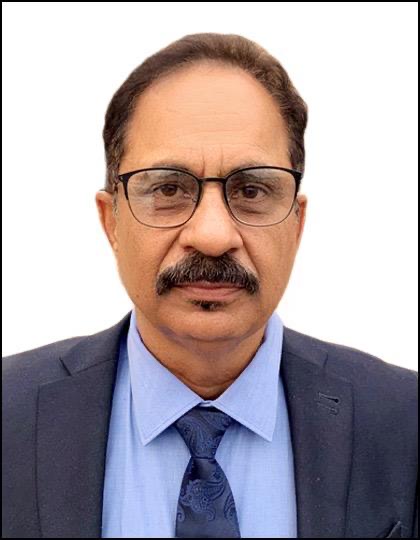
Dr. Hukum Singh

Head, Dept of Applied Sciences & Associate Professor


The NorthCap University, Gurugram Haryana


Dr. Sanjay Yadav

Dept of Applied Sciences & Associate Professor


The NorthCap University, Gurugram Haryana

Wednesday, August 25, 2021

How to make Friends in College

 It is not susceptible to speculate in anyone so handily, particularly when you have a terrible possibility in the past. But even if you had the nicest choice in the province of friends at your school time then don’t be much overconfident about college. Formerly I was in college my life guru told me it is not simple to cope up with pals in your college. She confided me school was just an aquarium where only specified fishes were held but college is a whole exotic ocean where you’ll meet all species of fish. She also spoke of that if I weren’t careful enough then it will not take me a minute to get relinquished in that ocean and will end up next to a shark. I thought about it a lot for several days. I am one of those individuals who had one of the best friends a girl can have in her school and tuitions. I was fortunate to have them but that doesn’t mean I’ll get those sorts of friends so effortlessly in college too. I would say, the best way to make a good friend is that always believe in your instincts. Every time I make friends I first believe in my intuitions and didn’t reckon them on their past blunders, indeed. It is not accurate that online friends are not substantial or close friends. Actually, in my case, I found my best of friends online-only, due to the virtual classes. And somehow it’s easy to find friends in NCU as in NCU you come across every manner of the student. There are students whose vibes are as equivalent as yours and many are there whose vibes are just antagonistic as yours. There are numerous ways to meet friends in a college. And one of the best ways to meet them is through college societies. When it arrives at making friends through society you both have miscellaneous topics in common to talk about while debating matters of any kind. And somehow it’s not crucial to have friends in your class. And frankly saying canteen is the promising location on the entire campus to meet your pals and enjoy the chitchat with them. Even I meet most of my companions in the canteen as most of my friends are from B.Sc, BBA and CSE department and I am in the ECE department. And I met most of these dumb heads through society and others online. It is easy to make friends but what is extensively tough is to conclude whether they are good to you or not. According to my, decent friends are those who assist me in most of my decisions but also correct me in my wrongdoings. If you do not feel very much affluent with any of your friends then it’s okay as not everyone can be adequately for you. For me making friends has never been a massive chore as I am an extrovert but for wallflowers, it’s a very great deal. But when you make one pal you are in a chain to make more of them as you get to meet some other friends of theirs.

Best mantras for making promising friends are:- always be yourself, be interesting while doing extracurricular, try to know a little about everything, ask questions and invite them to some of your activities and be nice. A handful of these mantras constantly help you to make friends and interacting with others. Invariably being yourself brings about the other individual curious to learn about you as they could have shared some mutual interests with you. Always engage yourself in varied extracurricular as it gives rise to you look fascinating and unique. One should know at least a little about everything as if you start talking about a particular topic you know what to say and what not to, you won’t felt left behind. Asking questions from others gives a good impression of you on them. They start to think that you are curious to know about them and after that even they start to get curious to know about you. Yes, it is important to be yourself while you talk to someone or spend time with them, but no matter what kind of person you are your should be polite to them, as it gives a good impression of you and your personality. Inviting others to some of your activities helps them to know about you and your interests. They feel special and honored when you spend your time with them.


Riya Jain

School: School of Engineering

Program: B.tech ECE

Batch: 2020-2024

Wednesday, July 28, 2021

Online Classes and their impact on higher education

 It’s been almost two years since a man woke up one fine day and decided to treat himself with a bat as a delicacy for his breakfast and just like that the months that followed started to take the world apart piece by piece. Economies crashed, hospital beds overflowed, exuberance died and in some parts of the world anarchy took over. 

In order to keep the education going all the universities and schools transitioned to an online mode of teaching. Blackboards got replaced by MS paint and classrooms got overtaken by video conferencing platforms like zoom and teams. Now if this were to be written in a history book I would go on to explain the ways in which humanity as a whole came together on its path to survival but I’ll leave that for another day. Today I wish to talk about online classes and their impact on higher education.

Now given the circumstances switching to an online mode of teaching seemed to be the only logical choice but, and I want you to pay attention to what I’m about to say, just like this very pandemic, just like all the measures we took to fight through it, just like every solution humanity has come up with since March 2020, online classes are “temporary”. 

They have gone on for much longer than they should have, students are forced to miss out on their college life. Online teaching has been going on for 3 semesters now which has made the students miss out on various character-building experiences that they would have undergone in these crucial years of their lives.

A major problem that still remains is faulty internet connections which still haunts us when it comes to online classes. Fun fact, the most used sentence by both the teachers and the students has been “Am I audible”. There have been genuine cases where students have missed out on important lectures due to connection problems. And then there are the over smart ones among the lot who use this internet connectivity excuse to get a few extra hours of sleep. Which brings me to my next point.

In order to attend a class in your room, with all the comforts one can imagine, a need for immense self-discipline arises which let’s face it is the last thing students at this age want to inculcate. This may sound harsh but this has been the reality of online classes, students log in to get attendance and then go on with their day while “Database management systems: Lecture 1” plays in the background. (I don’t do that. Ok maybe once or twice :p )

When you as an educator want to teach a class full of students, you need to establish a connection with the class in order to get through to them. Eye contact often helps a teacher to make sure that the students are still with them and not day dreaming about a boy/girl next door. Online teaching completely obsoletes the idea of reaching through to the class and making sure that whatever is being taught is reaching the students. Barring a few percentage of learners, most of them feel a disconnect with the teacher and have a hard time concentrating thereby missing out on all the important topics, only to google “How to learn Java” a day before the exam. 

(A note for the reader: I know I am making bold statements but trust me all this is true and exists on a much larger scale expanding to all colleges and universities)

To sum up the whole debate I would like to conclude by saying that online teaching is a mere consolation which exists for the sole reason of saving the education system from sudden death. The only difference between netflix and an online class is that people pay attention to netlfix when it’s playing. No matter how insufficient this online mode of teaching maybe it was the only option we had when a deadly virus was plaguing humanity but it is high time that we transition back to old school offline teaching mechanisms because there’s a pretty high chance that a future prime ministerial candidate is going on with his/her day while “Database management systems: Lecture 1” plays in the background.


Sidhant Gumber

Roll No: 19CSU308

School: School of Engineering

Program: B.Tech CSE with Specialization in Game Development

Batch: 2019-2023 

Tuesday, May 18, 2021

After Covid: Phoenix like Rise for India- A Mission

India is in turmoil. Despair all around. Snake-like rise in Covid cases during April'21 has caught everyone by surprise. Medical infrastructure is under immense stress. The current surge in cases has happened due to new variant of corona virus, which is highly infectious, and has seen hospitals run out of beds and oxygen and families of patients for medicines. According to WHO, India now accounts for 46% of world's new cases and a quarter of deaths due to virus. From being a vaccine and medicines/PPE kits provider till March end, our country has turned into receiver of international aid within one month.

Situation Analysis: India and the world is caught with surprise

A report in Indian Express dated 18th March had stated that temporary hospitals built during 2021 to tackle the corona crisis were being dismantled and ventilator manufacturers facing closure. And see how the situation turned drastically in April (golden line in the graph shows the intensity of the second wave and the black the first wave), proving all forecasts and predictions wrong.

Source: Prof. ShamikaRavi@ShamikaRavi


Many lives have been lost due to the fury caused by double mutant. Infrastructure is under immense pressure and the times of lockdown are back. Again we have the migrants' problem to deal with. Students also are experiencing stress. Number of active cases are expected to peak, but not before mid-May. Immense loss to economy, which was expected to grow (as reported in last week of March) by about 11.5-12% in 21-22.

The NorthCap University Initiatives: Presently, the university is closed. Like during the first wave, the institution is engaging with the students in online mode, using technological tools. Minor exams have been conducted in online mode only. Necessary support is being provided to students and faculty during this period. Verified addresses are also being provided for sourcing essentials like oxygen, beds, medicines, Plasma etc.

Future Direction for the Country: Faced with faith-accompli, our country has to cope with all determination and collective efforts. We have to face today's uncertainty with all our strength. Masking, sanitising, vaccinating have to be our weapons. We have to respect the law and continue with Covid-appropriate behaviour. Most important, young have to stay safe, lest they infect the elderly at home. Today, not only our immunity but also spiritual strength is under test. Many organizations and individuals are helping the hapless during this crisis. This gives courage to one and all. There are so many stories of help emerging, almost regularly. Now, as a country, we have to not only recover as fast as possible and prevent any fresh wave of infections, but also rise like Phoenix and become a giver to the world community in the next three years. That should be the mission!


Prof S.K.Breja

Distinguished Professor
(Strategy and SCM)

School of Management

Tuesday, April 20, 2021

Outcome Oriented Curriculum for Employable Commerce Graduates

The NorthCap University has taken several initiatives to make the commerce undergraduates experience worthwhile. While keeping in consideration the recently introduced Learning Outcome Based Curriculum Framework (LOCF) for commerce education, the curriculum is designed to equip students with expertise, values, and attitude. As the millennials require practical knowledge and hands-on learning for better employability, a mandatory internship has been a part of the syllabus to expose students to the varied requirement of industries and start-ups. The students are motivated to opt for different projects and data collection surveys to develop their research acumen. The syllabus of subjects for instance Accountancy, Taxation, Entrepreneurship is developed to inculcate interdisciplinary approach among the students. Introduction of General Electives, Skill Enhancement Courses and Discipline Specific Elective courses under Choice Based Credit System(CBCS) would enhance the scope of their careers. The curriculum is revised by domain-specific faculties in consultation with industry experts to keep students abreast of the latest changes in business environment and to attain skills following the current demands of the industry. The inclusion of case studies and simulation activities adds value to the conventional mode of studies. Frequent guest lectures from corporates and alumni gives an insightful experience to the undergraduates. Moreover, recent initiative of blended learning through MOOC courses offered by reputed national and international universities enrich the cognitive abilities of students and make them ready for campus placements. The endeavours of the university have made commerce education the first choice among various undergraduate courses.

Dr. Deergha Sharma is working as Assistant Professor in The NorthCap University. Her area of interest are Banking, Financial management and Stock market Operations.


Dr. Deergha Sharma
Assistant Professor 
Banking, Financial management 
and Stock market Operations
The NorthCap University Gurugram


Wednesday, March 24, 2021

Why Spring is a popular Java Framework?

The NorthCap University is highly focused on career based specialization for its students and one of such specialization is Java Full-stack where one handles both back-end development tasks such as database, frameworks, servers and also front-end development. In this blog we will talk about Java Spring framework which is a back end framework but before we get into the popularity of the Spring framework in particular, let us first understand why we need to use any framework at all.

As we all know, Java is a secure and robust language for developing web applications, and there are numerous open source and proprietary libraries and APIs to support .in this regard. So why do we need a framework after all?

  • Helps us focus on the core task only.
  • Brings together years of wisdom in the form of design patterns
  • Helps us adhere to the industry and regulatory standards
  • Brings down the total cost of ownership for the application
  • Binds to a specific version of language and libraries
  • Forces us to write an application in a specific manner

Frankly, there are no silver bullets in software development and frameworks are certainly no exception to that. As a result, the context should be used to determine which framework to use for application development.

Popular Java Frameworks Available in Market

Brief Overview of Spring Ecosystem

Spring is not a new framework. In fact, Rod Johnson released the first iteration of Spring in 2002. Subsequently, the framework grew in popularity due to its intuitive handling of common application architecture issues. Specifically, Spring’s greatest strength is as a container for the application. When you create your application within Spring, Spring will manage all of the challenges of maintaining references between objects. Significantly, Spring injects dependencies before the creation of new objects. Moreover, it gives developers greater control over the application’s control flow, all while managing that flow for developers.

Spring is not only a web framework

Mistakenly, developers often refer to Spring as a web framework. However, Spring can work in any Java application, no matter the context. While Spring does provide a module and extensions for building web applications, it’s not limited to the web. Because Spring Framework could handle what J2EE couldn't in a more straightforward and lightweight manner (nowadays is called JEE).

Furthermore, Spring is well-known for being a lightweight framework. It can also be considered a framework of frameworks because it supports a variety of frameworks such as Struts, Hibernate, Tapestry, EJB, JSF, and others. In a broader sense, the framework can be defined as a structure in which we find solutions to various technical problems.

In earlier days, J2EE was intended to create Enterprise Business Components like EJBs that could be easily distributed; however, the level of difficulty required to build and maintain J2EE applications resulted in the creation of the Spring framework; since then, Spring has grown tremendously. Also, in order to deploy a J2EE application, you need a J2EE Container (back then, there weren't many options: Bea WebLogic, IBM WebSphere.). As a result, Spring Applications can be deployed in Tomcat or other Servlet containers.

Comparison table between Spring and other Java based frameworks


Advantages of Spring Framework

There are many advantages of Spring Framework. They are as follows:

1) Predefined Templates

Spring framework provides templates for JDBC, Hibernate, JPA etc. technologies. So there is no need to write too much code. It hides the basic steps of these technologies.

2) Loose Coupling

The Spring applications are loosely coupled because of dependency injection.

3) Easy to test

The Dependency Injection makes easier to test the application. The EJB or Struts application require server to run the application but Spring framework doesn't require server.

4) Lightweight

Spring framework is lightweight because of its POJO implementation. The Spring Framework doesn't force the programmer to inherit any class or implement any interface. That is why it is said non-invasive.

5) Fast Development

The Dependency Injection feature of Spring Framework and it support to various frameworks makes the easy development of Java EE application.

6) Powerful abstraction

It provides powerful abstraction to Java EE specifications such as JMS, JDBC, JPA and JTA.

7) Declarative support

It provides declarative support for caching, validation, transactions and formatting. Spring framework is an open source Java platform that provides comprehensive infrastructure support for developing robust Java applications very easily and very rapidly.


Ms. Vaishali Kalra
Assistant Professor
Computer Science Department (Full-Stack Specialization)

The NorthCap University,Gurugram

Tuesday, March 23, 2021

My journey with The NorthCap University

Since a very young age, I felt remarkably inspired by law. Witnessing my father dealing with law and order state of affairs, and serve the society every day, evoked a sense of awe and respect for the field. Raised in an environment where law was central to most consultations, the development of a legal aptitude was perhaps in-the-making long before I consciously pursued legal education. The key reasons that crystallised my plan to study law included: the incalculability of the law and its applicability in our day-to-day lives, along with the constant learning prospects. These aspects continue to motivate me in my legal field till date.

My journey with The NorthCap University (NCU) began back in 2016, and there’s been no looking back. During my graduation period which was from 2016 - 2021 , I’ve been handling litigation matters and currently specialising in technology laws at Tygar Law Corporate. The interest to learn about a assortment of laws has taken me from running across various court rooms in India to gaining international court exposure, assisting law firms, and finally, finding an exciting job placement at Kher & Kher Law Offices , all credit goes to SPA Team of the University.

Through five years of studying law at NCU, I observed a mini revolution in the development of effective pedagogy. Today, because of the vision of the Vice Chancellor, Prof. H.B Raghavendra, together with the hard work put in by the faculty, students and administration, NCU has achieved some incredible milestones for such a young university. I am honored to call this University my alma mater.

I hold great respect for all the faculty members who made conscious efforts to transition from conventional ways of teaching to encouraging students to develop higher order thinking. Be it core arts and law subjects or the wide range of electives that were offered to us, we were constantly moving ahead on the learning curve. The cooperative learning environment extended by Prof. Archana Sarma (Criminal Law), Prof. Pallavi Bajpai (International Commercial Arbitration), Prof. Vaiji Raghunathan (Advance Contract Drafting), Prof. Priyanki Gupta (IBC Law), and Prof. Pushpesh Pant (Media & Sports Law) amongst many other brilliant faculty members instilled in me a deep and lifelong appreciation. During my time at NCU, I received a gamut of unique academic exposures including being a part of research centres at University, attending various Legal Aid Camps, Moot Court Competitions and National Client Consultation Competitions, a member of the Editorial Board of NCU Law Journal and various other National Conferences.

As our faculties encouraged us to intern from the very first year of law school, it gave us a prospect as students of law to a get an acumen into what it truly feels like to be a lawyer. I usually opted for non-normative internship opportunities that I am convinced helped me in bringing a transformational change and opened my mind to explore different legal fields. Although my role as an intern with respect to handling matters was narrow, the experiences were helpful in ratifying my interest in law.

An exciting opportunity came my way when NCU School of Law collaborated with the District Legal Services Authority for a Cyber Security Week and I considered myself really lucky to be selected. It was one of the most enriching experiences to represent NCU/India and to work with outstanding members of the DLSA Authority including Shri. Pardeep Chaudhary, who continues to be my mentor and source of inspiration.

NCU introduced me to some of the best peers possible, in the most conducive culture. A big thanks to each and every student of the Class of 2016 for being truly remarkable! I think the culture amongst students at NCU is very positive and the value of “we” is commendable.

It was the little things as much as the big moments that made memories of law school utterly unforgettable. I remember one night before exams, some really talented students took night sessions to revise the courses for the benefit of all. Absolutely everyone from the batch used to be there. It reflected an empowering culture amongst students that prevails across NCU. Another cherished memory is from a time when I was elected as the President of Legal Aid Society and the society planned to organise ‘Legal Aid Camp’ for the first time outside Campus. We sent out a mail requesting for volunteers and around 150 students from across all the batches and schools of NCU came together and helped the society organise the event. These incidents continue to have a deep impact in my life. So, to ambitious young budding lawyers, I would say: all of us have a surreptitious superpower—our mindset. An individual with a growth mindset can principally have the power to stretch and stick to a situation even when it’s challenging, which I feel is extremely important and valuable for a lawyer.

During graduation, I started working with some of the most hardworking litigators in Delhi. It was a noteworthy learning experience working alongside Mr. Narinder Hooda. I was also retained by Y.P Associates, which provided a very valuable organisational experience. Consequently, I switched to independent practice where I was empanelled with innumerable real estate and tech companies. Working as a part of litigation and corporate teams and then an attempt at independent practice has cumulatively helped me in identifying, analysing, drafting and challenging key legal issues in a thorough manner.

The decision to work as an in-house counsel came in furtherance of my interest to explore a variety of laws. I didn’t want to resist myself to one certain field of law and was convinced that an in-house role is more suitable for me. After several months of looking for opportunities and applying at various organisations, my job application was acknowledged by Kher & Kher Associates.

I am elatedly looking forward to this new voyage!


Amardeep Chahal
16llb007, Batch (2016 – 2021)
The NorthCap University Gurugram

Tuesday, March 16, 2021

NexGen Emerging Scops in Augmented Reality (AR) and Virtual Reality (VR)

Have you ever had one of those late-night thinking sessions where you sit and wonder what exactly is reality? No, I’m not talking about the literal meaning of life, this blog is not to drown you in a pool of existential crisis. By definition reality means the state of things as they actually exist. Now what if I told you reality can be whatever you want without you needing to snatch the reality stone from thanos. All you need is some correct guidance and an in-depth knowledge of AR and VR, that is augmented reality and virtual reality and we at NorthCap University Gurugram are here to cater to your imaginative endeavours.

Augmented reality and virtual reality may seem like similar sounding terms at first but in essence there’s a lot more to each of these technologies. Augmented reality adds digital elements to a live view often by using the camera on a smartphone. Examples of augmented reality experiences include Snapchat lenses. Your favourite Instagram filters use Augmented reality to craft out those gorgeous looking photos. Remember the summer of 2016 when the whole world was catching pokemons with their phones? That was one of the first major breakthroughs of augmented reality when Pokemon Go took the world by a storm. Virtual reality on the other hand implies a complete immersion experience that shuts out the physical world. Using VR headsets such as google cardboard or oculus rift users can be transported into a number of real worlds and imagined environments such as the final level of god of war 3 or riding buckbeak as Harry Potter and exploring the grounds of Hogwarts in the comfort of your living room.

Like I mentioned in the start of this blog the scope of AR and VR is as vast as the horizons of your imagination. Currently the most widely accepted use of AR and VR is for games, leisure and entertainment. The demand for VR games has seen a paradigm increase with the recent technological strides made in the industry. E-commerce and retail is another area which has greatly benefited from augmented reality and will continue to do so in upcoming years. AR apps let shoppers interact with products and help in creating personalized shopping experiences. Lenskart was one of the first apps in India that implemented this by allowing users to try the look of frames through their selfie camera and considering that most of you reading this are wearing frames from Lenskart, I don’t have to explain how AR helped them to become industry leaders. Interior designing, landscaping and urban planning is another field which has reaped the benefits of AR. Apps like IKEA Place not only help to measure objects and walls but designers and owners can also test colours and other ideas to calculate the necessary materials and labour costs. Tourism and travel is another industry that has begun to use AR. Tourism involves various transportation modes, hotel bookings, hospitality, tours and sightseeing, local experiences like cuisine or festivals, souvenirs, etc. Therefore, the industry abounds with augmented reality business opportunities. Google maps got an AR update recently to allow the users to view streets through their smartphone’s camera and the directions appear on their screens. Education and training is yet another field that has implemented this technology to greatly enhance the learning experience. AR technology makes schooling more interactive, engaging, and efficient. For instance, with AR applications, students can observe a 3D galaxy on their tablets or witness an extinct animal come to life. VR will help students to see scientific breakthroughs from the scientists’ perspective or even make the discoveries in a virtual lab themselves. Lastly I would like to talk about the scope of AR and VR in healthcare because the need for survival transcends all other needs. The healthcare industry is a Petri dish for augmented and virtual reality business ideas. AR apps are already used for a variety of tasks, from helping patients to identify their symptoms to enabling surgeons to peer inside a patient's body without making large incisions. A combination of VR, gaming software, and medical imaging procedures already offers simulation capabilities and detailed organ maps. Surgeons will be able to plan ahead and avoid previously unforeseeable issues. That’ll minimize invasive procedures, reduce complications for the patients, and promote faster recoveries.

With AR and VR finding their use in a plethora of industries, the demand for its development has increased manifold. Observing this ever widening scope of AR and VR, the NorthCap university introduced a new specialization, game development with augmented reality and virtual reality where we make sure that we make your dream of becoming an AR and VR developer comes true.

Sidhant Gumber By 19CSU308
Augmented Reality (AR) and Virtual Reality (VR)
NexGen Emerging Scops
The NorthCap University Gurugram

Tuesday, March 9, 2021

Blending theory with practical applications of Economics through R-programming

In this fast-moving world, working on large sets of information and data has become the norm. To support the analysis of such large sets of information, R-programming as a statistical package is gaining importance. R is a programming language based freely available software environment for statistical computing and graphics, supported by the R Foundation, which is widely used among statisticians and data miners for data analysis. The software is greatly enhanced by numerous contributed packages submitted by users. Especially for economic analysis, including parameters of population, national income, among others, R package has become the go to statistical analysis environment to analyze data and come up with accurate results that can be presented in graphical format as well. To facilitate the employability of students in the industry, academia and public sector, it is crucial that they are aware of the nitty gritty of working with R-programming. In pursuit of the same, the B.A. (hons) course offered by the School of Management and Liberal Studies at The NorthCap University, offers in its programme, course titled “Statistical Programming with R”. The purpose of this course is to set a foundation for full exploitation and creative use of the statistical language for computing and graphics in R. In this course, students learn to program in R and how to effectively use R for statistical computing. The course emphasis is on data manipulation, basic statistical analysis and testing of economic theories. During the course students identify appropriate statistical methods for the data or specific problems and conduct their own analysis using R environment. Pursuing a graduate program at School of Management and Liberal Studies at The NorthCap University in Economics prepares the students to develop employability skills such as R Programming, which guides them to the path of excellence based on strong theoretical fundamentals, enriched with training of application and analysis theories and real life issues.


Mansi Vinaik
Assistant Professor
School of Management and Liberal Studies
The NorthCap University Gurugram

Monday, March 8, 2021

Marketing as a Career Choice

School of Management at The NorthCap University is highly focused on career based specializations for their students. As business, is an amalgamation of various functional areas, the school of management offers specializations in various functional areas. Marketing as a specialization or elective is one of the most demanded choice across business schools worldwide, when it comes to building of a professional business oriented career. Marketing as a career choice is preferred due to the fact that this elective choice offers a bouquet of career avenues to the future ready business marketers. Marketing as an academic function provides career choices in three broad career tracks namely Creating, Communicating and Delivering. When it comes to the Creating Track, career choices revolves around product development, brand development, research for market preferences etc. Careers in Communication Track, revolves around the portfolios of advertisement executive, media planner, content writer, search engine executive, social media manager etc. “Delivering Track” provides the career avenues in the field of sales and business development. In this track, career choices can have a platter of the job roles having inside sales, business to business sales, corporate sales, retail sales, online sales, business development, partnership alliance etc. Marketing as a career is influenced by the various technological advancements happening at a fast pace and as a result new career avenues are emerging, having integration of marketing and technology. The careers having a marketing-tech ideology includes; marketing data analyst, marketing intelligence analyst, marketing data custodian etc. Before, choosing a track within marketing, skill and competency mapping of job role vs individual is highly essential. Marketing careers are always expected to better in comparison to others, due to the fact that , businesses are always looking to hold onto their share of the market as well as expand to grab a larger chunk of the market. It is not an exaggeration to state that marketing careers attract creative and driven individuals who are passionate for “Marketing” & “Employability”. School of management ensures through live projects, experiential learning, industry oriented sessions etc. to equip the future marketers with contemporary marketing skills. It is no wonder, brands are always eager to have marketing students of school of management on their board.


Dr. Nimit Gupta, Professor

School of Management & Liberal Studies

The NorthCap University

Zooming on: Economic revival, growth and the focus areas for our country in 2021

January 2021 has brought cheer to the Indian economy, reflected in improvement in market sentiment and new peaks scaled by the stock markets. Our country appears to be coming out of the Covid-crisis, gradually. Much awaited vaccines also have arrived! We are upbeat about the prospects for the economy, and according to the experts, what we are experiencing is ‘V’ shape recovery of the economy. There are expectations that after contraction to the extent of around 7% in the current year, Indian economy can grow at the fastest pace in the world again next year and grow up to 11% in 2021-22. This is the view of the government and IMF too. All this augurs well for the country, aiming to become $5 trillion economy. However, scaling new peaks for the Indian economy needs attention to three important issues/areas: Quality, supply chain management and innovation.

Quality is the prime requirement for global acceptability of products. We have to improve the quality of Indian products and services, and build our credibility around quality. Self-reliance or ‘Aatmanirbharta’ and making ‘local products for global applications’ need focus on quality. ‘Brand India’ has to be known for ‘quality with sustainability’! Our Prime Minister too has been stressing on ‘zero defect and zero effect’, on sustainable development and excellence. We have to safeguard the interests of present as also the future generations. This is possible when we think about quality and sustainable supply chains!

Supply chain management and logistics are the tonic for the economy. Logistics, infrastructure, technology and strategic initiatives, along with quality, can help create increased and sustained demand for ‘Made in India’ products. ‘Demand pull’ is the dream of every supplier and its realisation is possible if the country keeps focus on quality in inputs, processes and outputs. After the success in winning the war on corona in 2020, 2021 can well be the inflection point for us as was the second world-war for Japan, which focussed on quality from 1950s onwards. It learnt from the teachings of Dr Juran and Dr Deming, developed new Total Quality Control (TQC) techniques and became known for concepts and tools like kaizen, fish-bone diagram, Quality Function Deployment (QFD), Just-in-time (JIT), Toyota Production System (TPS) philosophy and so many other concepts and techniques. The efforts brought out the Japanese economy from the ravages of war and Japanese products became synonymous with quality by 1970s. Japan became the most important part of global supply chain, especially in electronics and automobiles. Today, we too have the need and the opportunity and our IT talent is the booster for us. IT talent, through technological innovations, has played an important role during the Covid times. IT is ushering never-seen-before innovations!

Innovation is going to provide the required global push to our products and services. Our youth have to have innovative thinking, make use of technology, create innovative products and not duplicate the efforts of other countries. AI, cloud, IoT are accelerating the growth of the industry, called Industry 4.0. Innovations in education, health and pharmaceutical sectors are the real blessings of 2020 for our country.

Technology has helped educational institutions and the students face the challenging times with ease. The NorthCap University being frontrunner in technology adoption started online classes on Microsoft Teams from March 16, 2020, much before lockdown was announced, and utilized Technology tools like Learning Management System (LMS) and ERP in imparting students, seamless learning.

Technological innovations and innovative thinking will help us leapfrog completion and take our country to new heights! To conclude, dedication to quality- creating value for money for the customer, investments in logistics and infrastructure and innovation will help the Indian economy zoom on!


    Prof. SK Breja

    School of Management

    The NorthCap University

Covid-19 and its Global Impact


Introduction

Coronavirus is a family of viruses that includes SARS and MERS and typically causes respiratory tract infections of varying lethality. Though human coronavirus was first discovered in the mid-1960s, COVID-19’s earliest known infections were found in December 2019 in Wuhan, China, and was declared a pandemic by WHO in March 2020. In addition to lack of immunity and no proven vaccines being currently available, several other factors have contributed towards COVID-19’s rise to the global pandemic.

First is the rate of infections or how many other people an average patient infects. COVID-19 patients affect up to twice the number of people as common cold within the same setting, making the number of infections grow exponentially.

Second, a significant number of cases are asymptomatic. At least 50% of the cases do not show any symptoms, making tracing and controlling the virus much more difficult to control.

Third, the virus affects people with decreased immunity, which could be due to multiple reasons, much more severely. This had led to more deaths in countries with a larger share of the older population or pre-existing diseases.

The last part of the equation is disinformation and misinformation. The impact on people’s physical and mental health, correct diagnostic and controlling processes, lack of access to support due to inequality, nature of the virus, and other unknowns have contributed to its large-scale impact.

However, McKinsey’s recent survey suggests a positive shift in economic sentiment with more than half of the executives saying that their country's economic conditions will improve in the next six months.


Impact of the Virus

Worldwide

There is still substantial uncertainty about COVID-19’s impact on people’s lives and livelihoods. A lot is dependent on the epidemiology of the virus, containment measures undertaken by governments, and the development of vaccines, all of which are hard to predict.

In January, the IMF had predicted global growth in 2020 to be 3.3%, but in April, the projection was updated to -3% in their World Economic Outlook report. This makes it the worst recession since the Great Depression, and far worse than the Global Financial Crisis in 2008. This would also translate to a cumulative loss of global GDP over 2020 and 2021 to be 9 trillion dollars.

However, there is a huge variation in the economic impact within individual countries, primarily depending on the actions taken to tackle the pandemic. In Asia, China’s GDP dropped by 36.6% in the first quarter of 2020, while Korea saw a decline of 5.5%. Within the European Union, Finland and Norway’s economy shrank by 5% each, whereas Spain and the UK saw a decline of over 20% compared to the second quarter of 2019. The United States also saw its GDP decline by 10%, and the unemployment rate increase to 14.1% in April 2020.

Apart from the direct economic impacts, COVID-19 is also likely to have other long-term impacts. A World Economic Forum study says that the pandemic has accelerated the shift towards automation in industries. Similarly, with employees forced to work from home, there may be changes in the work environment and culture.


India

India suffered a relatively severe economic impact of COVID-19 compared to most developed countries, experiencing its first negative growth since 1980. India’s GDP had contracted by 23.9% in Q1 2020, compared to the 5.2% growth it had during the same time last year. However, individual sectors fared the pandemic differently, with manufacturing being the worst hit and agriculture the only sector that reported growth during the period.

This has directly impacted millions of Indians’ livelihoods, with 19.4% having their payments deferred and 57% receiving salary cuts, on top of an estimated 140 million lost jobs. The situation has improved slightly post the lockdown period, with total deferred payments being 11.5% and salary cuts at 43%.

At first, the recession may seem just a supply shock similar to the financial crisis in 2008, but that is not the case. Due to uncertainty revolving around the virus and many non-permanent workers, particularly within the affected industries, households have increased their precautionary savings, and firms are wary of investing until the situation clears. Between April and June, private consumption had declined by 27% year on year, and investment by 47.5%. Nomura has also predicted that aggregate demand in July was just 67% of its pre-pandemic levels.

Actions

The Government of India has taken various steps from the beginning of the lockdown to reduce its impact on the economy and resume growth. This includes not just through the fiscal policy but also working with the Reserve Bank of India (RBI) on its monetary policy. For instance, the finance minister announced relaxations within corporate tax laws as well as the Insolvency and Banking Code (IBC) in which the monetary threshold for initiation of insolvency proceedings was increased from ₹1 lakh to ₹1 crore. Since many businesses had lost their revenue due to the lockdowns and were expected to default their payments, this notification prevented several firms from being dragged to National Company Law Tribunal (NCLT), which would have further hampered the economy.

The government also announced a relief package of ₹20 lakh crore, equating to 10% of the GDP, of which liquidity-enhancing initiatives accounted for the bulk of the share. Similarly, many measures within the package were aimed towards the middle term, with benefits expected to be witnessed in 3 years, instead of a package focused on short term needs such as the decreasing demand or to pump money into the economy for upgradation of services like the health sector.

Out of the total package, ₹3 lakh crore has been provided as collateral-free loans for micro, small and medium enterprises (MSMEs), a move aimed at enabling 45 lakh units to restart work and save jobs. Although the MSME sector is important for employment, it is highly dependent on the rest of the economy for its market. Hence, unless the rest of the domestic economy was also revived, the MSME sector would have faced a shortage of demand and decreased production once again. This was visible as the cuts in lending rates did not lead to a major increase in borrowers. In fact, commercial banks chose to park their capital with the central bank using its reverse repo window, which went up from 3 lakh crore in March to 8.5 lakh crores by April.

The relief package also included an extension of Pradhan Mantri Garib Kalyan Anna Yojana to provide free ration to over 80 crore people by five more months, which would cost the government ₹90,000 crores. The poor also received direct benefits like free gas cylinders and direct money transfer to their bank account, ranging from ₹500-₹2000 under various schemes, costing the government another ₹2 lakh crores.

Within the relief package, ₹1.6 lakh crore was allocated to agriculture and allied sectors to strengthen their infrastructure, logistics, and capacity building. Along with the relief package, the Essential Commodities Act was also amended after more than 6 decades. However, a third of the farmer community was left out of these schemes. Likewise, developing infrastructure through the various initiatives will produce results in the medium to long term but not help with the current disruptions in harvesting and procurement. To ease short term pressures on the farmer community, a 3-month moratorium period on agricultural loans was introduced that benefited 3 crore farmers at the cost of ₹4.22 lakh crores.

The package also included additional funds for National Bank for Agriculture and Rural Development (NABARD) to provide refinancing to cooperative banks and support to the Rural Infrastructure Development Fund and working capital for state government entities involved in the procurement of agricultural produce. This is estimated to cost ₹41,000 crores and would bring a positive change in helping fix the demand problem.

Recommendations

The Government of India has been proactive in reducing the economic impact of COVID-19 and ensuring the safety of its population. Although various initiatives have been launched, improvements can be made to navigate the current crisis better.

Additional funds can be distributed for rural livelihoods along with PM Kisan Samaan Nidhi payments to spur demand. Production of masks, PPEs, and other accessories like sanitizers could be done indigenously to provide additional employment opportunities and provide more occupations under MGNREGA to help the migrant workers. Lastly, APMC can be waived for large corporate purchasers to set up their supply chains and enable farmers to reach buyers better.

Workers living in urban areas should be enrolled for National Food Security benefits to ensure laid-off workers' food safety, especially within the informal sector. Likewise, the benefits of Ayushman Bharat Yojana can be extended to informal workers to prevent further disruption of migrant workers. These workers carry the risk of reverse migration, which may lead to large impacts on the economy. Hence, they should be taken to urban centers in a structured manner and a monthly provision for support income.

To help MSMEs, which were among the worst hit, along with more relaxation in Insolvency and Bankruptcy Code from what was already done by the government, RBI prudential norms can be reviewed for each sector that has been hit by COVID-19. Debt restructuring and rollovers can also be allowed. Furthermore, all outstanding payments to MSMEs from the center, state, and PSUs should be paid immediately to ensure they have enough working capital.

To maintain stability within the financial sector, the government can provide a guarantee for outstanding debts. Simultaneously, the RBI should ensure sufficient liquidity to unjam the corporate bond market, which risks leading to a flood of defaults. The government can also instruct other agencies such as the Employee’s Provident Fund Organisation (EPFO) to resume buying corporate bonds. Similarly, state governments should also make legacy payments to delayed heads, for which additional funds can be provided by the central government if needed.

Industries such as aviation and manufacturing are the most affected and, thus, require additional support. This support can be offered through concessional GST rates, debt principal payments being frozen until the situation improves, and making changes to industry-specific regulations to spur growth. The energy demand is also at 50% of the pre-COVID times. Hence, power generation companies should be directly addressed, and cash flows granted to ensure the system’s sustainability.

Along with the crisis brought by the pandemic, it has also created opportunities to fix several long-term issues affecting the economy. As the lockdown has severely impacted the informal sector and requires access to liquidity through the relief package, this opportunity must be used to get the enterprises registered and be brought under the tax umbrella. Thus, increasing the government’s indirect taxes in the long run. Formalization of the informal sector will also enable workers working within these businesses to get access to various government schemes. However, to not force formalization, long-term plans for the informal sector should also be considered like skills and enterprise support.

Lastly, while the formal sector will grow in size, the system needed to handle them should also scale up. Better identification measures should be developed and used to keep track of payments and other benefits received by the MSMEs, which has been one of the most crucial aspects preventing them from receiving economic relief.

Educational Institutes

Educational institutes are a few areas that have been kept closed for the most amount of time, with more than 1.5 billion students being affected by these closures worldwide. School closures can adversely affect their health, education, and development. Disruption to instructional time can affect a child's ability to learn while also increasing the chances of social injustice and pressure. Closures also disrupt school-based services, and there exists a vast disparity between schools of different countries. Many schools are unable to offer remote education or alternatives, and keeping children home also affects parents' ability to work, introducing other risks. Because of the closures, children made up only 8% of the reported cases and are unlikely to be the main drivers of Covid-19 transmission. However, the closure of schools is not a sustainable solution. It should be considered if there is no other alternative, as schools reduced community transmission less than other social distancing interventions.

A risk-based approach should be followed for reopening educational institutions to minimize risk to students and staff, such as gauging public health capacity and evaluating school readiness and resources to maintain Covid-19 prevention. 

In this regard, The NorthCap University was one of the first universities in India to switch to online teaching and has been conducting online classes without any hurdles for almost a year now but, leaving no stones unturned, is undertaking all the necessary precautions to prepare for the reopening and balance the work and fun aspect of the university. The most effective way to prevent the spread of the virus is social distancing; hence, all the desks have been spaced at least six feet apart and ensure no more than two students sit at a single desk. Markings have also been made in the hallways to ensure social distancing is followed at all times. All mass gathering activities have also been avoided to the extent possible, with this year's convocation ceremony being held entirely online. Special guidelines have been made for maintaining hygiene in the university while also adhering to evolving public-health-informed measures put in place by the Government. 

Voluntary offline classes have also been made available with sanitizing stations present throughout the university. From mandatory masks for students and staff to a special Covid-19 task force team, these steps ensure all the students receive the best educational facilities available and make the most out of them, while being safe. 

About the writer :-

Anant Gulia is a second year student pursuing

B.Tech (Computer Science and Engineering)

The NorthCap University, Gurugram

Monday, February 15, 2021

What does it take to become a successful businessman?


At times, I sit down to think and find answers to some of the crucial questions vis.-
  • What makes people top performers?
  • What shall be the right career metrics to follow?
  • How to navigate the future of work amid unprecedented situations?
  • And, how shall we broaden our portfolio to build a successful career graph?
Well, to find out answers to these questions, I decided to look into the background of the career journey of successful entrepreneurs, CEO, COO that would make them shine globally. What undergraduate and graduate courses they opt for, their educational majors, and the skills they trusted the most. While exploring, I found Bachelors of Art (B.A.) and Bachelors of Business Administration (BBA) as the most populous among the Top CEOs. Nearly 53% of them have obtained one of these two degrees. A Bachelors of Science has been found as the third choice largest undergraduate course opted by CEOs. Meanwhile, some of the BSC degree holders were holding specializations like B.S. in Accounting, Finance or Business Administration, etc. Many professionals believe in expanding their portfolio, standing for upward mobility and career advancement. Therefore, their obvious inclination towards pursuing a management degree did not surprise me at all.

Now the question is- how a degree like Bachelors's in Business Administration is helpful? I have jotted down some genuine reasons below-
  1. Business Administration can't be just studied in classrooms. It is not just an academic course; rather, it is a practice to do, an application to pursue, and a field to explore. For instance, if a dental surgeon wants to hire someone to run his marketing campaigns, he would look for a degree first and then have the field knowledge. The degree holder will be able to relate the vital pain points for selling services.
  2. Unlike static subjects, Management is fluid. It keeps on changing every day because it has to deal with moving facts. On top of this, the fact is that top marketers can establish one thumb rule for all times to come. The management techniques that you will learn today may become obsolete after some years.
  3. Your professors shall be experienced to teach you the dynamicity with a broader view of Management along with its industrial applications. It is ok if you are indecisive about the industry wherein you want to put yourself. Instead, some of the fantastic foundation principles from the experts are always a plus.
  4. Further, a Business Administration degree helps you succeed because it will give you what you need to start a career. Additionally, one attractive proposition is that all prospective employers look to freshen up their organization with fresh blood. It provides you with lessons that you need to function in any industry.

Overall, I found that doing Bachelors in Business Administration one of the best ways to become an expert marketer, know-how contemporary business work, and design major marketing goals for future generations.

Author :-
Minakshi Sehrawat,
Assistant Professor
The NorthCap University


Role of community service component in the curriculum of The NorthCap University

“There is no higher religion than human service. To work for the common good is the greatest creed.” - Woodrow T. Wilson

The NorthCap university has embedded Community Service as one of the components in the schemes of all programmes across departments/schools of the university. Students will be provided credits for this component in all semesters of their professional degree. Credits are added in the schemes to make students step in the world of human or community service.

Most of the time professional degrees focus on development of the intellectual intelligence quotient, even though emotional intelligence quotient also plays a very important role in the overall success of the life of an individual. By integrating community service component in the schemes, the university has taken an appreciative step towards the growth of good and successful humans. Thus, focus is on the development of emotional quotient as well along with the intellectual quotient.

A committee of faculty member representatives from all schools/departments has been formed at the university level to look after and lead the community service activities. Also, there are around 20 dedicated clubs in the university, that organize activities/services for the community. Few names to mention for the clubs are Yukti, NSS NCU (Govt. of India Scheme), Rotaract Club of NCU (NCU Wing of Rotaract International), The Awaking Club, Sehyog Club, NEEV (Student chapter), Udaan, Chetna, Engineering without Borders etc.

Chetna Club is working under EECE department in The NorthCap University, though students from any discipline can join any of the community service clubs and same is for Chetna Club. The Chetna club undertakes various socially relevant and environment friendly activities like Tree plantation drives, education drives, youth empowerment, deaddiction etc. Trees are not only planted, but they are also treated as friends and are taken care regularly to ensure their growth and thus society may derive many benefits from these planted and grown up trees. Education is not just transfer of knowledge, it includes moral education as well to grow sensible and educated kids even from the poor families, who don’t have enough resources at their disposal. Youth are empowered through motivating lecture series which help them develop their self-confidence. Deaddiction initiatives are taken by spreading the awareness of ill effects of addiction and many others.

The students have shown good interest in all activities for the betterment of the society; they feel so enthusiastic and full of energy when any of the events/activities are planned by all the community service clubs. Students are so happy and contended after spending their time and energies for the good of the needy and the society at large. Most importantly, while students are working for the betterment of others, they themselves are getting better on all the fronts. The tangible outcomes of the community service will be visible in the long run, not only in the society but also through overall personality development of the students of the university.

To conclude, the initiative of The NorthCap University to integrate community service in the schemes of the various programmes of the university will go a long run in developing responsible and successful professionals and at the same time happy and contended citizens of the country.


The author is Dr. Vandana Khanna, faculty in the department of Electrical, Electronics and Communication Engineering at The NorthCap University. For queries, contact at vandanakhanna@ncuindia.edu

Role of VLSI Design Engineer in Internet of Things(IoT) and Machine Learning

“Skill development, speed and scale are the three important aspects that are relevant to the present-day growth and development module”-Narendra Modi

The electronic manufacturing industry has accomplished an impressive development over the past several decades, mostly due to the quick developments in large-scale- integration skills and logic design applications. Very-large-scale-integration (VLSI) is the practice of producing an integrated-circuit (IC) by connecting thousands of transistors into a single chip.

With the introduction of VLSI designs, the number of functions of ICs in high performance computing, telecommunication, computer vision, consumer electronics, automation and machine learning has been rising at a very fast pace.

Computer Science and Electronics Engineering walk hand in hand. Every revolution in software technology requires a better hardware to support it. As the semiconductor manufacturing advances for an association globally, the VLSI design sector anticipates massive opportunities prompoted by requirements from the cloud, Internet of Things (IoT), automotive and artificial intelligence driven industries.

So, VLSI, IoT and AI are mutually dependent.

Evolution of IoT has drastically changed the modern living. With trillions of sensors being omnipresent, there has been an exponential growth in VLSI design and hardware needs. Trillions of sensors means VLSI reimagined. VLSI design for IoT chips requires a new mindset.

AI and deep learning are all about massive, so called “embarrassing” parallelism. Efficient hardware architectures may be developed to support machine learning based applications. The market for Machine Learning, Artificial Intelligence accelerators is growing rapidly, with most big semiconductor IP/SoC industries like Intel, Samsung, etc. producing their own ML accelerators. Machine learning algorithms could be used to make VLSI procedures more accurate and easier and VLSI verification is also expected to benefit from ML.

VLSI devices nowadays are available all- around us. Highly developed VLSI chips are found in our cars, mobile phones, home appliances, digital camera, medical instruments and many more areas. This fast developing segment proposes enoromus prospects in verification based career opportunities for those with solid basics in electronics designing and hardware-description-languages(HDL), grip in VLSI design and verification and the most significant, the ability to use VLSI concepts to application.

As products like mobile phones are available with new features in short period of time, there is a strong need for qualified VLSI engineers to work on these products. Career in the VLSI industry is of great scope.

As every machine learning engineer might be aware of this very fact that ML models cannot be trained on CPUs due to their inefficiency of dealing with high quality datasets (preferably images and videos). So, the VLSI engineers design GPUs to overcome the problem. Similarly, all kind of hardware that artificial intelligence requires can only be fabricated by VLSI industry.

VLSI specialists are continuously in great demand in the rapidly growing chip designing industry. There are more than 150 companies which includes the giants like Texas Instruments, Mentor Graphics, Freescale Semiconductor, Cadence, HCL, Intel, Lucent, Motorola, Philips Semiconductor, Qualcomm, Wipro and TCS supplying to this industry. A highly paid career opportunity in one of these organisations is in great demand and development of VLSI skills is the only way to make this dream a reality.


The author is Dr. Sharda Vashisth, Associate Professor and HOD, Department of Electrical, Electronics and Communication Engineering , The NorthCap University. For queries, contact at shardavashisth@ncuindia.edu